

One of our five foundations
Development
What is good software?
Good software is software that makes a profit, right? It’s the one that sets your company apart, that generates more revenue, and that makes your customers happy.
How does it come about?
Development is what happens when senior leadership has a vision what gets translated into a strategy which, in turns, gets implemented into a product that eventually sells. Sounds simple? It is, but the implementation is a complex hydra with many heads.
Does over budget and over time software sounds familiar? Does broken software cost you money, times, and resources to fix? Are your software releases stressful and frustrating?
If so, you’re not alone. Data shows that 80% of software projects are over time or budget and that for every $1 spent on software development, $.50 is added in bug fixes.
Ever had a software release pushed back? Even worse if it happened twice or thrice? All that marketing and sales money hanging in the balance and more spend on damage control?
Predictability is what all software methodologies aim to solve. Be it with story points in Scrum/Agile1, the velocity of Kanban, or the fixed dates of Waterfall/V model, or the (mythical) man months estimates. And fundamentally, this is impossible to answer as development deals with many unknowns. Developers can predict what they know how to do, but not what they think they can do or what they don’t know how to do. Writing software is a complex matter, with many unknowns, some unknowable, from the start.
The Software Development Life Cycle — SDLC
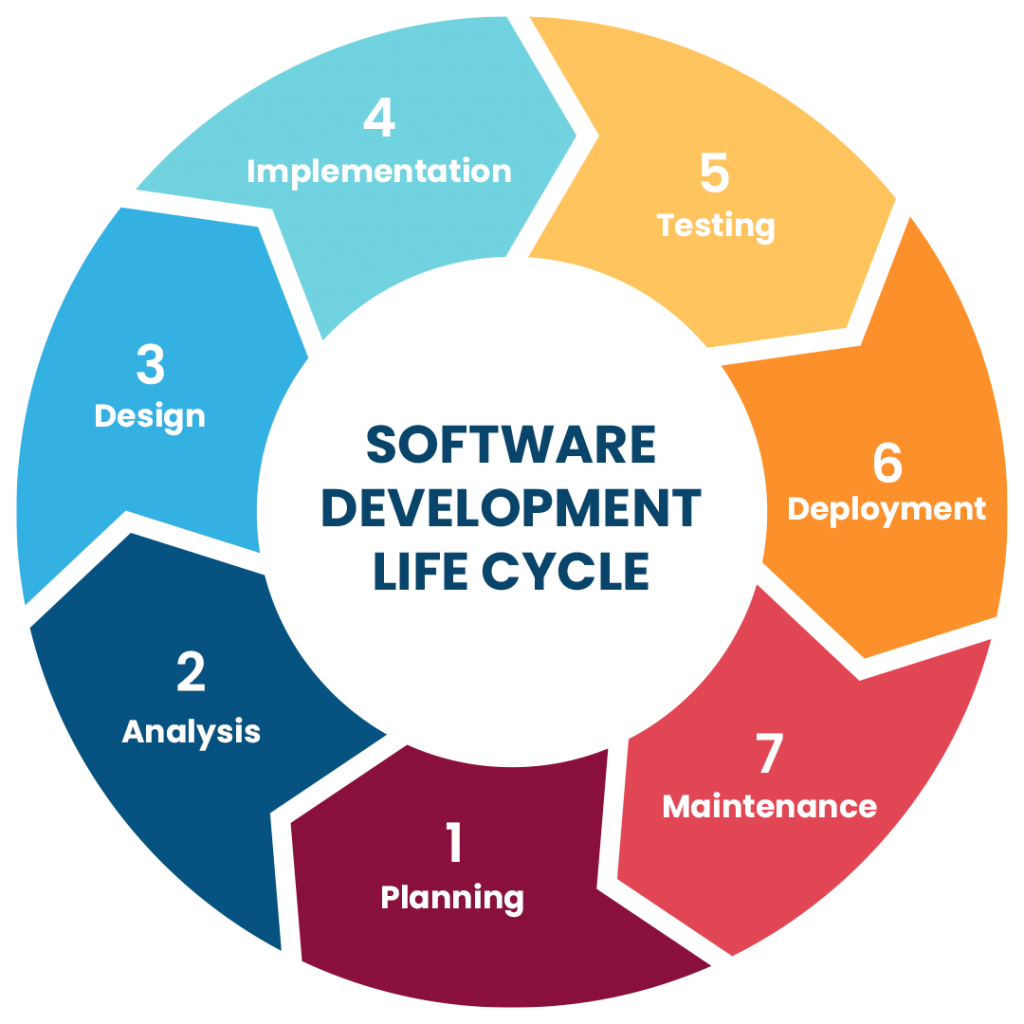
The Software Development Life Cycle (SDLC) aims to make those unknowns more predictable. It aims to provide a clear framework for planning, building, and maintaining software, ensuring that development is systematic and meets quality standards. There are many implementations of the SDLC, all claiming to be the best. For some companies, they are. For others, not so much.
Agile has Scrum, Lean has Kanban, and mixed together make Scrumban. The popular (according to DORA) CI/CD model aims to release software multiple times a day. It does require robust automation testing for it to work. However, it is not well suited for all software. Your complex website is a perfect environment for CI/CD, whereas safety-critical software that runs a plane or a submarine is not.
Quality
Have you ever had software that didn’t quite do what you wanted? Or did it badly and awkwardly? Software that was full of bugs?
Quality assurance is always seen as a cost, not an opportunity to achieve the vision of robust software. From verification (what the product complies with its specification and requirements), to validation (what the product meets customers needs), your SQA staff are key in rising customer satisfaction and thus your revenue.
Developers build. Testers break. Together they complement each other in making a robust product.
You will pay the cost of fixing bugs in your software. The question is, will you pay it before or after customers see it?
Did you ever struggle to read the documentation of a piece of software? And how bad was this software?
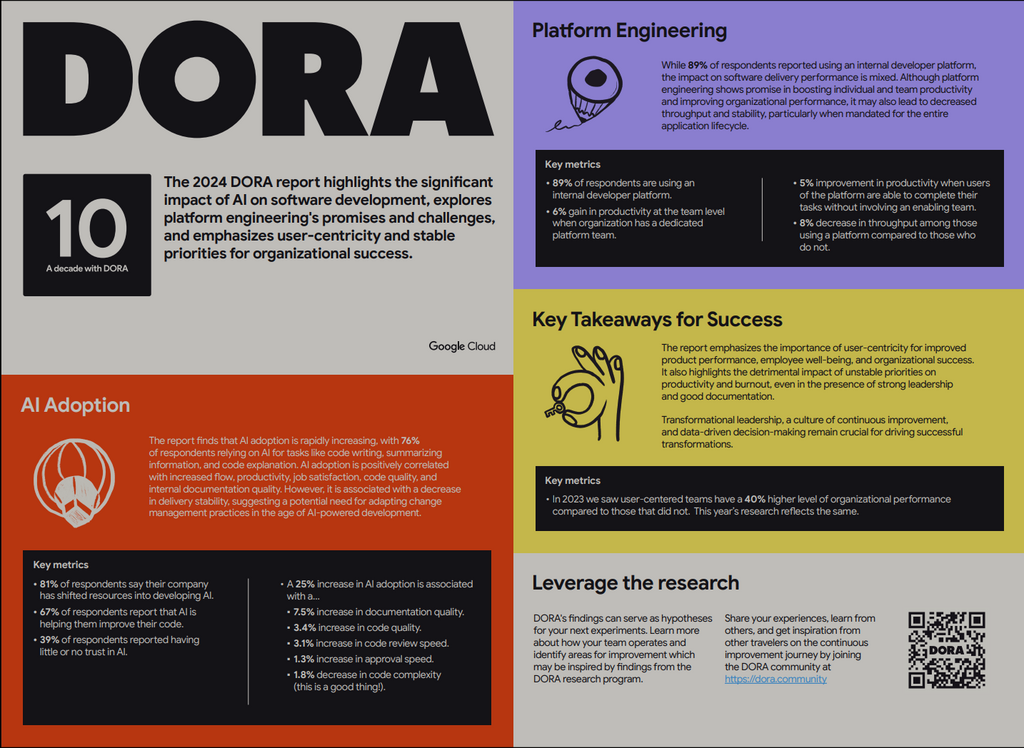
DORA 2024 had a strong relation between good documentation and performant software. Which is no surprise: if you must write documentation, you must first understand your software well which in turn, reveals its weaknesses. One of the question we are fond of is: “That’s nice. What is it for?”
Shift Left
When was the last time you heard the developer manager say “it is done” and then DevOps retort “Err… No!”? Then Cybersecurity looks at it and starts crying?
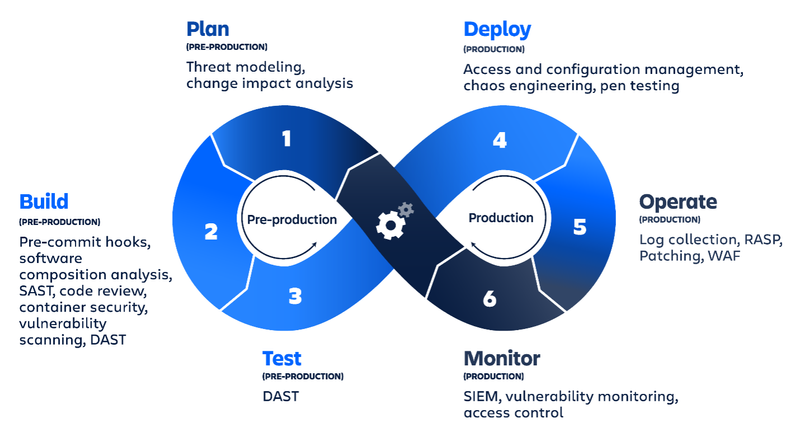
Security is a dye, not a paint. The same thing holds true for operations. The sooner those concerns are addressed, the less painful they will be. From the OWASP Top 10 and 12 factor app, the shift left of operation (DevOps) and security (DevSecOps) has been gaining momentum and popularity. The reasons are many, but the main one is cost. It is much cheaper to fix something earlier than later.
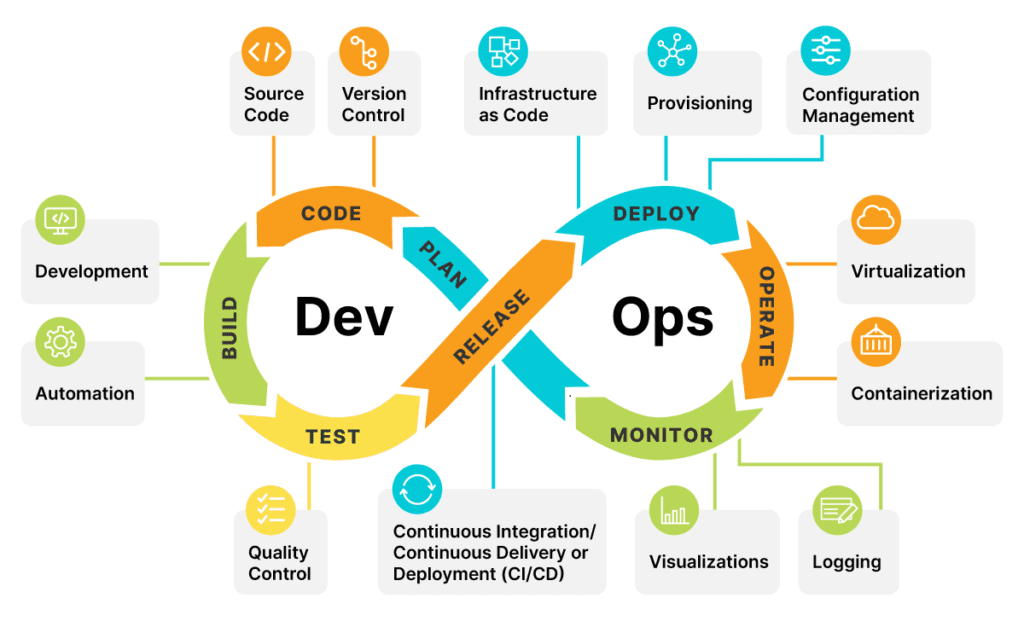
Illustrations of DevOps (above) and DevSecOps (below), as part of the SDLC.
Business Debt
Also known as technical debt, this is the debt that is accumulated over time by those unknowns that developers cannot predict. Sometimes, it is debt created by deadline and the corner cutting necessary to meet a deadline. External factors, such as third party software (libraries, modules, frameworks, etc…) require more work than just updating to the latest version.
We call it business debt because the business pays for it. And the interest is brutal. It can easily make a new feature take months to make instead of weeks, if it’s even possible.
How do you cope with it? Is it an ever increasing mess? How much does it cost you?
Artificial Intelligence
Does it have AI in it? Who has not dreaded this question from customers or investors or friends?
It is impossible to avoid AI nowadays. Every company has added it to every product and since the last four years, we keep hearing that there will be no developers needed in six months. From the hype to reality, AI is still so new its impact is being just felt.
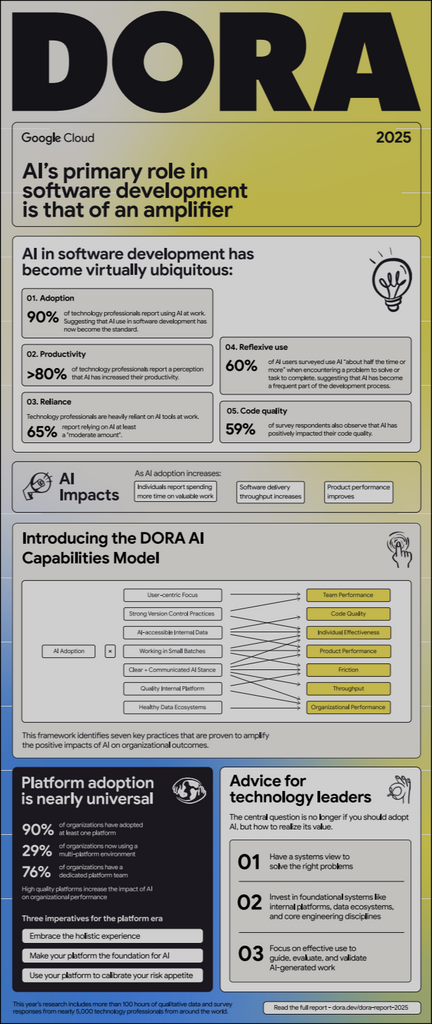
In DORA 2024 the data showed that 75% of developers reported higher productivity with AI. However, delivery was down by 2% and stability was down by 7% — Not a good outcome! DORA 2025 (see below) has three pieces of advice on AI adoption:
- Have a system view to solve the right problem.
- Invest in foundation systems.
- Focus on effective use to guide, evaluate, and validate AI generated work.
We will have more on this is our last foundation post in three weeks.
Conclusion
All of these questions, and more, are under our foundation of development.
Imagine, if you will, a day when all the drama is removed from your software production: no panic, no crisis, just smooth software releases that exceed your customer’s expectations. This is what we have done in the past and can do for you.
Transform your development teams, your software, and your product with us. Be it with Agile or Lean, get the right solution for your problems with measurable data leading you to a path of constant improvement. With our understanding of the abstract factors, we can create the right approach for you.
This is part of a series on all our foundations. Here are links to the next entries:
 People.
 Development, this post.
 Security in a week.
 Operations in two weeks.
 AI in three weeks.
Dr Yann Golanski DEVELOPMENT
people leader leadership culture processes stratgey organisation